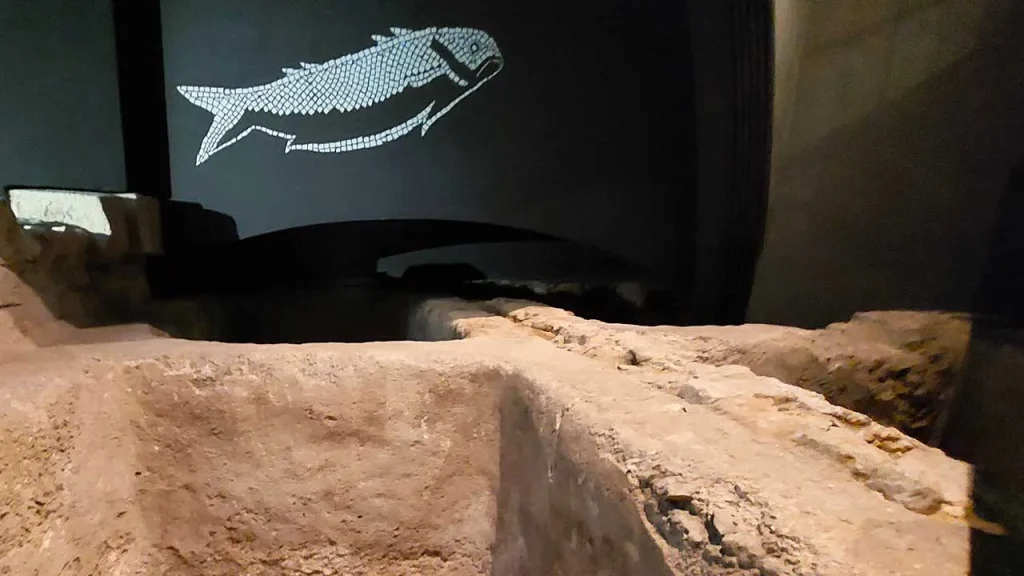
We shall focus on the period between the 1st and 5th centuries AD, when the production and export of garum and the fish-canning industry of Roman Lisbon flourished. Although specialists point to evidence dating back to earlier periods, prior to Romanisation, namely the 5th and 4th centuries BC, let us concentrate on the time when this activity reached its greatest development.
Thus, the region of Lisbon — or rather Olisipo — was, during the Roman Empire, the largest centre for the production and export of fish preserves and of a particularly prized product of the period: garum. This seasoning, an oily sauce resulting from preserving fish in salt, was highly appreciated and produced throughout the Mediterranean. However, the garum made on the banks of the Sado and Tagus rivers was considered superior in quality.
This excellence was attributed to the cold waters of the Atlantic Ocean, which gave special characteristics to the abundant fish caught there. Combined with the abundance of salt, a mild climate, clay-rich geology providing raw materials for the production of amphorae and other ceramic objects — including the kilns used to produce them — as well as timber and nautical knowledge required for shipbuilding and repair, all the necessary conditions were in place for the development of a thriving fish-canning industry in the cities we now know as Setúbal (Tróia) and Lisbon.
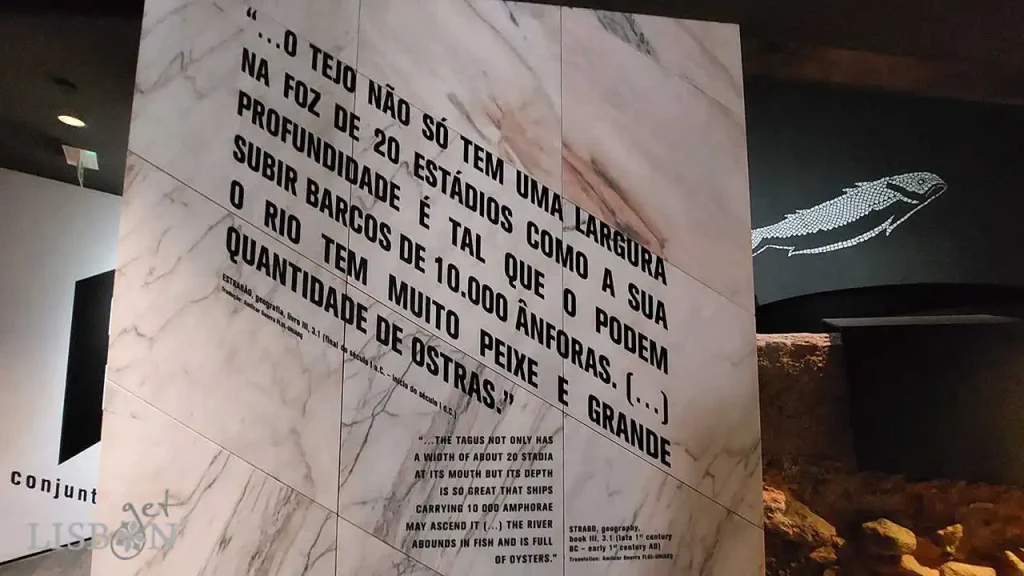
In the 1980s, several fish-preserving production units from this period were identified on the south bank of the Tagus, particularly in Cacilhas and Porto Brandão, as well as in Lisbon, first at Casa dos Bicos and later in Rua dos Correeiros, among many other locations.
It was believed that the greatest concentration of these production units was in Lisbon, spread across terraces along the banks of the Tagus, a deep river suitable for the passage of large vessels, and along the navigable inlet that extended as far as Rossio, corresponding today to the area known as Pombaline Downtown. Indeed, excavations in this area have uncovered numerous cetariae, large stone tanks coated with lime, where alternating layers of fish, entrails, salt and aromatic herbs were deposited. Through this preservation process, fish pastes and preserves were produced, alongside the highly sought-after garum that would season the dishes served at the most refined tables of the Empire.
However, between 2003 and 2006, an important archaeological intervention in the Belém area, resulting from the transformation of the former Governor’s House of the Belém Tower into a luxury hotel, revealed the existence of a vast fish-preserving production unit. An impressive area of 1,500 square metres was excavated, uncovering more than 34 cetariae organised around a central courtyard and other adjoining structures. Studies revealed that this production unit had operated for around five centuries, approximately between the 1st and 6th centuries AD.
These discoveries, along with others in the Cascais area, lead us to believe that the importance of this economy linked to marine resources was even greater than originally thought when the first findings were made.
As for ceramic kilns, many have already been identified, all on the south bank of the Tagus, between Corroios and Alcochete, passing through Barreiro, a place name undoubtedly derived from the abundance of clay found there. In the same locations stood the shipyards which, interestingly, remained plentiful in this region until the mid-20th century and were responsible for building the traditional Tagus boats, as well as decorating them with colourful popular paintings.
Musealisation of the Fish-Canning Industry of Roman Lisbon
Today, great progress has been made in discovering and understanding the fish-canning industry of Roman Lisbon, and archaeologists continue to show interest in studying and updating knowledge, perspectives and challenges provided by these remains. The public can access this knowledge particularly through two important museum spaces: Museum of Lisbon – Casa dos Bicos and the Archaeological Site – Rua dos Correeiros.
Museum of Lisbon – Casa dos Bicos
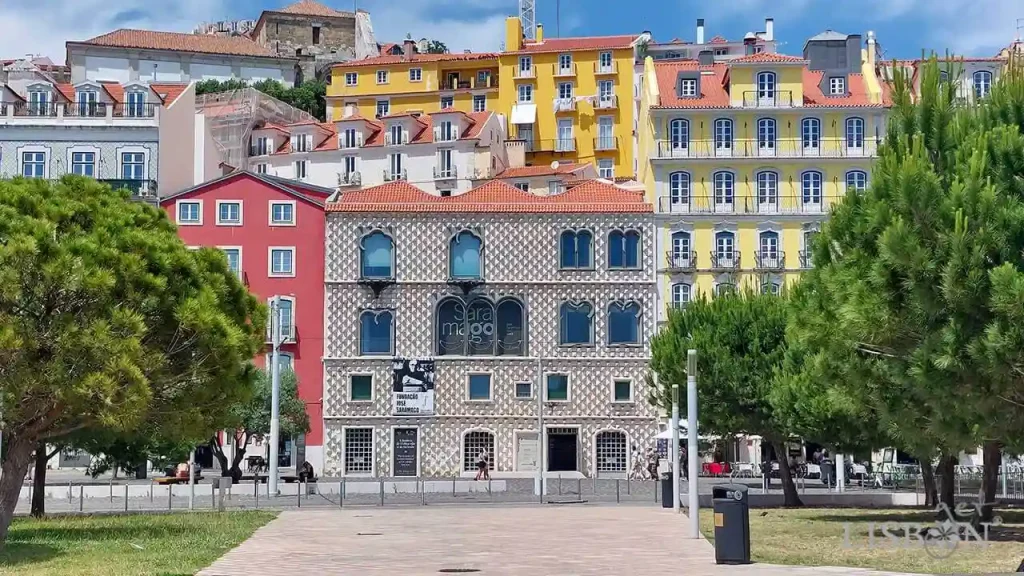
Today, Casa dos Bicos houses one of the branches of the Museum of Lisbon and, on its upper floors, the headquarters of the José Saramago Foundation.
Commissioned in the mid-16th century by Braz de Albuquerque, son of Afonso de Albuquerque, Governor of India, it now occupies number 10 Rua dos Bacalhoeiros, in the heart of the old Campo das Cebolas, today renamed José Saramago Square. Casa dos Bicos is a magnificent example of Renaissance civil architecture, inspired by a style fashionable in 15th-century Europe. The building follows the model of the Bolognese “dei diamanti” palaces, displaying a façade covered with stones carved into diamond-point shapes.
The 1755 earthquake left the palace in ruins, and throughout the following centuries it underwent several vicissitudes until it was acquired by Lisbon City Council in 1960. In 1981, a restoration project was commissioned, and it was within this context that systematic excavations began, eventually revealing remains from different periods, including impressive cetariae belonging to the fish-canning industry of Roman Lisbon. The results of these investigations — which also include sections of the Roman and medieval walls, as well as everyday objects dating from the 16th to the 18th centuries — can be seen in the permanent exhibition of this fascinating museum, which we invite you to visit.
😊 Have you discovered our LISBOA MARCA book of bookmarks yet?
It is a journey through Lisbon told across 18 detachable bookmarks featuring beautiful illustrations by five urban sketchers. It is undoubtedly an excellent gift for anyone who loves the city of Lisbon. 🎁
Get yours! 👇
Archaeological Site – Rua dos Correeiros
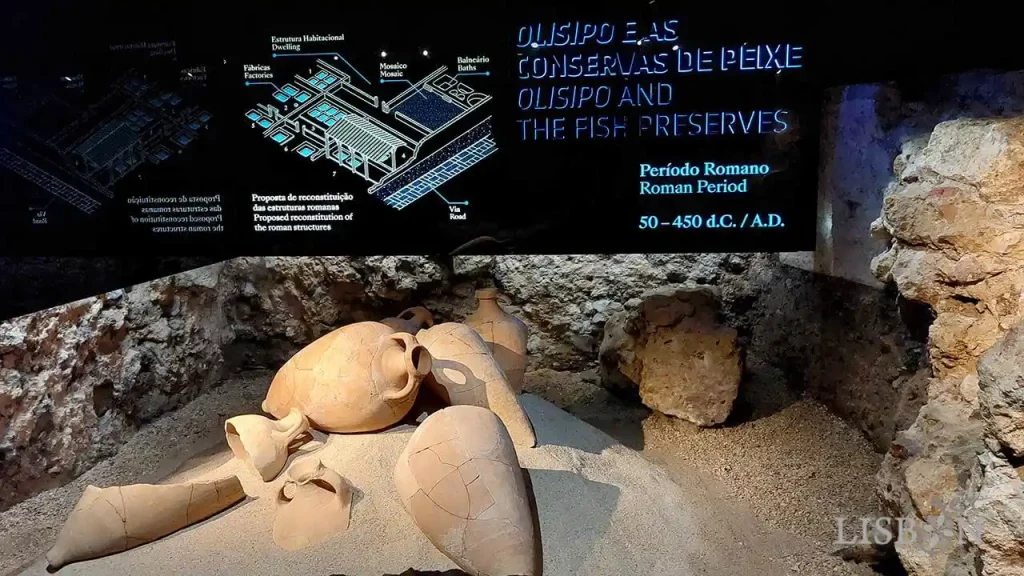
The Archaeological Site – Rua dos Correeiros constitutes archaeological and urban heritage of exceptional importance and has been classified as a National Monument since 2015.
Its significance lies in the fact that this site displays the urban overlap of the last 25 centuries of Lisbon’s history.
It was discovered in 1989 following a rehabilitation project involving Pombaline buildings belonging to Banco Comercial Português, SA, located between Rua Augusta and Rua dos Correeiros. This discovery was followed by excavation, surveying and musealisation works carried out between 1991 and 1995, the year of its inauguration and opening to the public. Visits, always free and guided, continue to be sponsored by Millennium BCP.
Urban structures from the Iron Age were identified here, as well as baths, roads and remains of the fish-canning industry of Roman Lisbon, alongside vestiges from the Early Middle Ages and, naturally, structural Pombaline architectural elements, among many other artefacts and curiosities.
Its importance is therefore reflected not only in its educational role for the public but also in the studies already undertaken and still ongoing in various scientific fields, all contributing to greater knowledge of Lisbon’s history and occupation over time.
We suggest reading Áurea Museum Hotel, an Archaeological Secret in Lisbon, where we discover traces left by different peoples, namely the Romans.
The Revival of Garum
As we have seen, garum was a seasoning known to the Greeks but greatly valued and further developed by the Romans, becoming a product of considerable commercial value for the region of the Sado and Tagus estuaries.
The term garum appears to have been a generic designation for fish oil or fish paste, with more specific names depending on the raw materials used in its production. Varieties differed not only according to the type of fish used — mackerel, sardine, tuna, anchovy and others — but also according to additives such as vinegar, olive oil, water, wine or honey.
The finest varieties were produced using a single species, especially the prized mackerel, while others of more modest quality resulted from the maceration of less noble parts of different fish, intended for more popular consumption. Quality also depended on the length of the maceration process and the filtering of the oil.
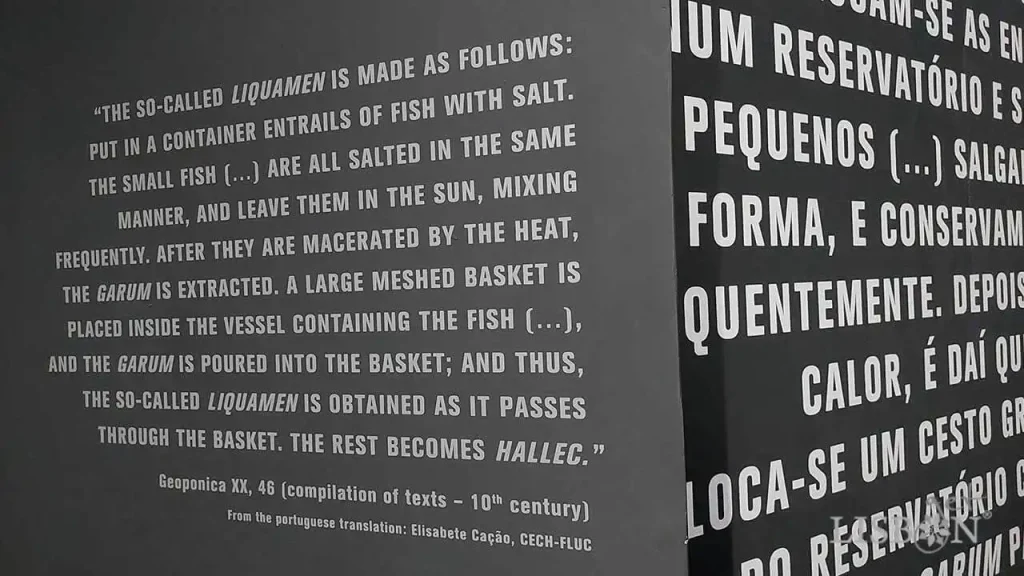
In order to promote and value ancestral preservation techniques and the production of fish preserves, and while embracing the challenge of recreating an ancient flavour, a project was launched to manufacture garum and introduce it into contemporary haute cuisine.
In this context, a partnership emerged in 2021 between the Roman Ruins of Tróia, located on the southern bank of the Sado estuary opposite Setúbal — an archaeological site classified as a National Monument since 1910 and included since 2016 on Portugal’s Tentative List for World Heritage status — the restaurant CAN THE CAN, established in 2012 in Comércio Square with a concept dedicated to promoting the Portuguese canning industry, and several research institutions and other entities, in a truly multidisciplinary effort and challenge.
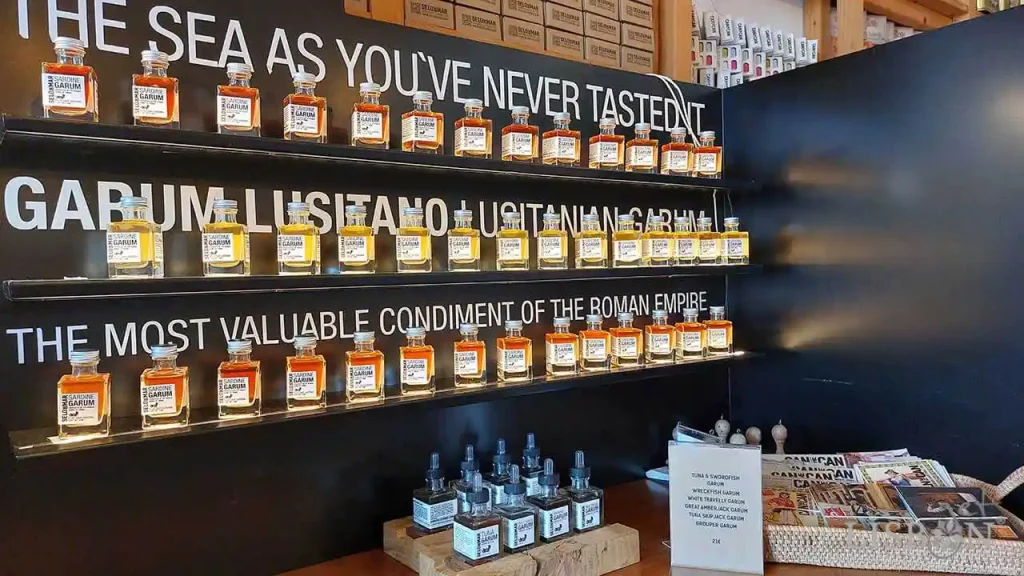
Today, many varieties of garum produced by Selo de Mar are available. This project, created by CAN THE CAN, seeks to continue research into garum production. Using recipes dating back to the 9th century and after months of fermentation, the result is a distinctive product that can be used to marinate, cook or season dishes.
| Never miss another article | Subscribe here |
Curiosities and Other Cetariae Remains
Garrafeira Napoleão
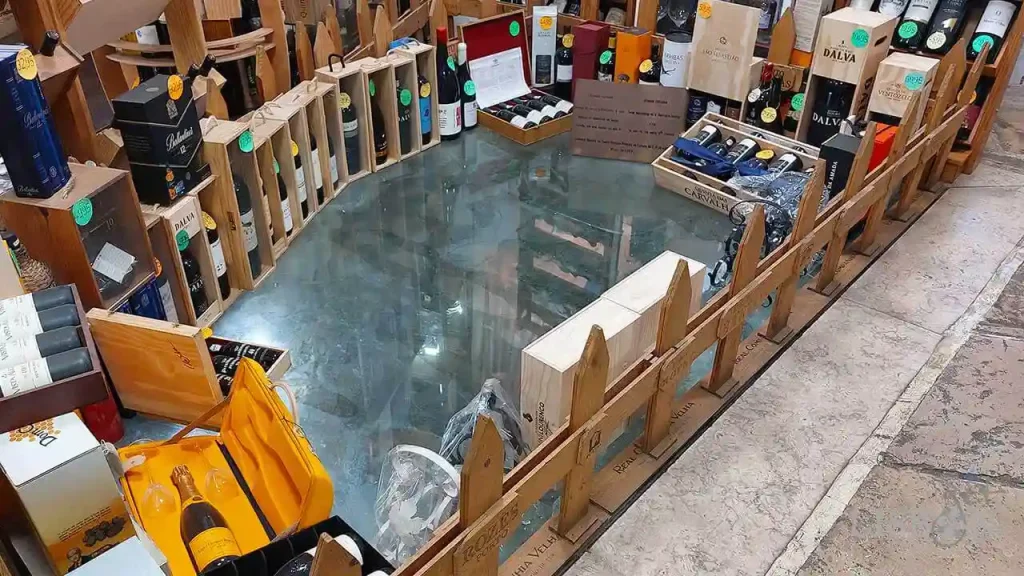
Nearby, at number 70 Rua dos Fanqueiros, stands a traditional family-run shop: Casa Napoleão, a renowned wine and spirits merchant founded in 1969, part of a network of shops spread across Lisbon.
Here too, following the need for renovation works, a Roman cetaria was excavated and can now be observed through a glass panel in the shop floor.
Step inside to discover this vestige of the fish-canning industry of Roman Lisbon — and you may well leave accompanied by one of the many bottles of wine or spirits available in the shop.
Conserveira de Lisboa
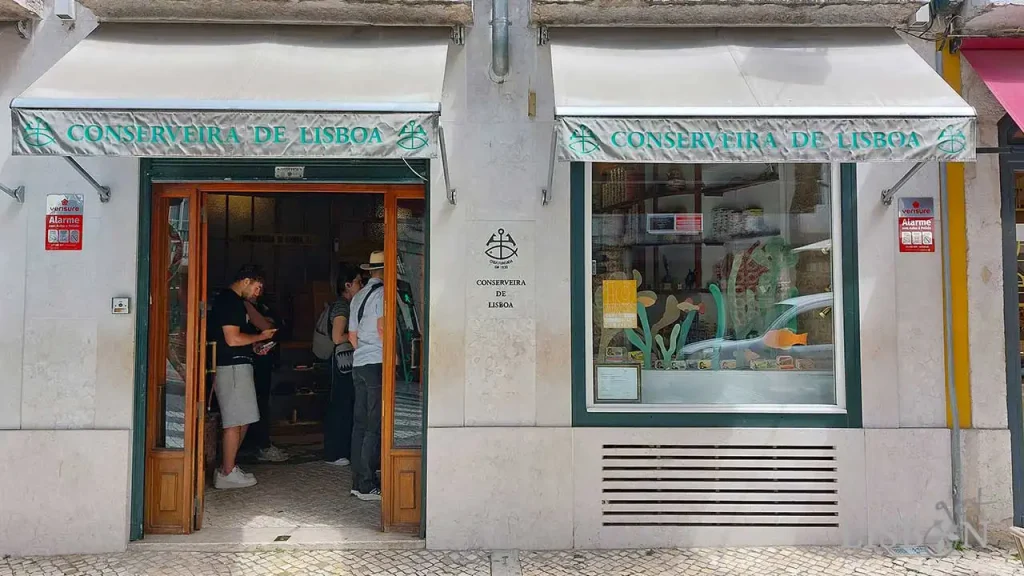
At number 34 Rua dos Bacalhoeiros stands one of the city’s most traditional shops, Conserveira de Lisboa.
Classified as a “Historic Shop”, it was established in 1930 as a grocery store selling a variety of products and specialised in fish preserves in 1942. Beyond the quality products it sells, the shop stands out for preserving its original character, displaying old wooden counters, cupboards and shelves where colourful tins of fish preserves from the Tricana, Prata do Mar and Minor brands rest carefully wrapped in paper with colourful labels.
Roman cetariae remains, as well as amphorae and other everyday objects, were also identified here.
Within the same space, in different periods and contexts, one can observe the continuity of fish preserves…
Thus, it becomes clear that the symbol of Lisbon is not limited to the boat of Saint Vincent accompanied by the two ravens, present in the city’s heraldry, nor to the varinas who shaped Lisbon’s image during the Estado Novo (dictatorship regime) period. The popular sardine, fish preserves and now even the exotic garum, purchased by tourists as souvenirs of this city, are undoubtedly a reference with very ancient roots.
You may also like
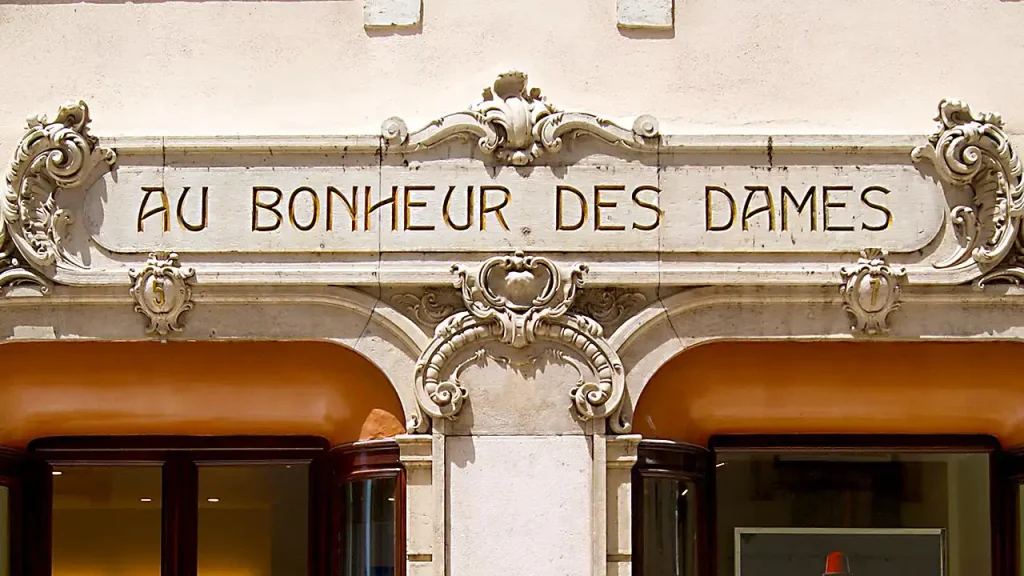
Private Tour “Lisbon Through Its Traditional Shops”
Through Lisbon’s Traditional Shops, the sociologist Guilherme Pereira will explore with you the city from the nineteenth century to the present day. Unmissable!
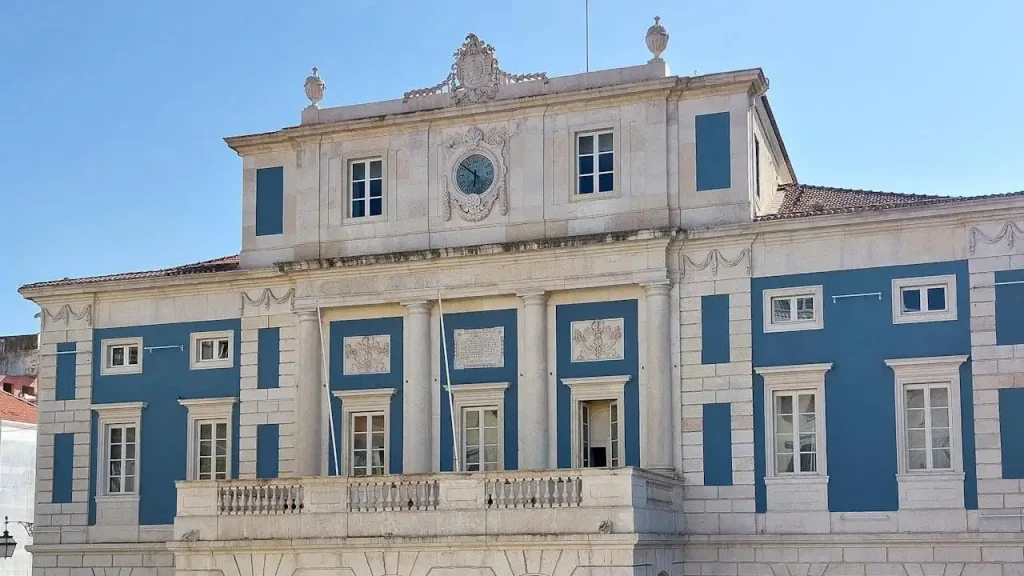
Private Tour “Italian Lisbon For Music Lovers”
Listening to music, we’ll cross the 18th and 19th centuries during which Culture and Arts from the Italian Peninsula invaded Lisbon. Join us on this tour led by official guide Luís Lopes!

Private Tour “Jewish Lisbon”
Here we’ll explore the Jewish presence in Lisbon from the medieval period to the present day. Don’t miss this private walking tour led by historian Marisa Filipe!
The project getLISBON has been very rewarding and we want to continue revealing the singularities of fascinating Lisbon.
Help us keep this project alive!
By using these links to make your reservations you’ll be supporting us. With no extra costs!
• getLISBON offers a selection of carefully curated cultural private walking tours in Lisbon that go beyond the usual themes.
• Looking for a different experience? We can create a customised itinerary based on your interests. Contact us!
• Or if you prefer tours and other activities in various destinations, take a look at GetYourGuide.
• Save time and money with a flexible Lisbon Card!